

Cart
0
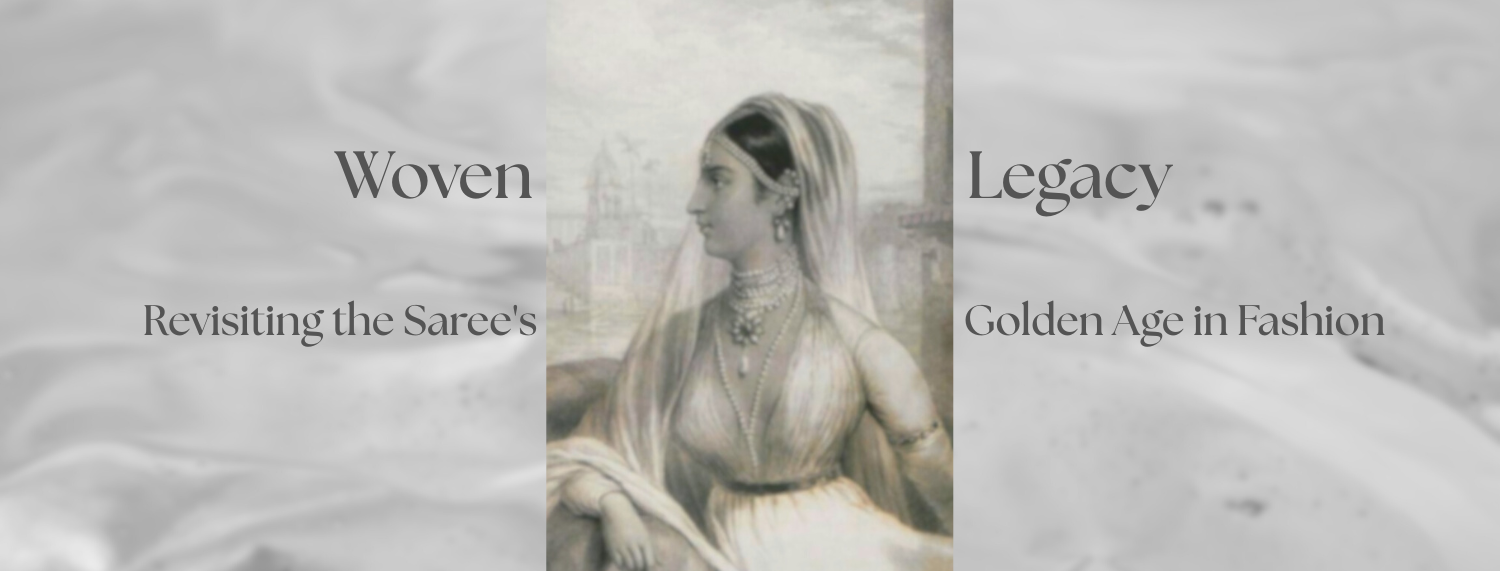
The Saree is more than a garment; it is a five millennia old narrative, a six yard chronicle of India's cultural evolution. While it has always been central to the nation's identity, there was a true "Golden Age" a time when the Saree firmly transcended mere tradition to become the definitive height of sartorial excellence and a potent symbol of national pride.
The Defining Shift: Saree as the Modern Silhouette
The definitive pivot that cemented the Saree as a high fashion trend occurred throughout the late 19th and early 20th centuries, amidst the social and political awakening of the subcontinent.
The Historical Evidence:
-
The Rise of the Nivi Drape: Prior to this era, the drapes of the Saree were highly regional, often worn without a separate blouse. However, the influence of Victorian social norms, coupled with the emergence of urban, educated society, necessitated a structured change. The Nivi (or Bengali) drape defined by its meticulous floor length pleats and the pallu elegantly sweeping over the left shoulder and worn with a proper blouse and petticoat quickly became the standardized and most fashionable style. This new silhouette was instantaneously recognized as the ultimate expression of grace and cosmopolitan sophistication for the modern Indian woman.
-
Royal Decree and Fabric Innovation: The aristocracy served as the original trendsetters. Maharani Indira Devi of Cooch Behar is a historical figure often credited with single handedly popularizing the chiffon saree. Eschewing the heavily embellished traditional silks, she commissioned simple, flowing white chiffon from France. Her adoption of this light, luxurious fabric immediately established the chiffon Saree as the epitome of refined, modern glamour within elite social circles. This trend was swiftly amplified and adopted by the burgeoning film industry, ensuring its rapid mainstream success.
-
The Swadeshi Statement: Concurrently, the Saree evolved into a powerful tool for political expression. During the Nationalist Movement, the deliberate choice to wear handloom sarees, particularly the coarser-spun Khadi, became a visible act of resistance and a profound celebration of indigenous craftsmanship (Swadeshi). Global figures like Sarojini Naidu and later, Indira Gandhi, wore simple handloom drapes on the international stage, elevating the humble cotton and silk Saree into a universal symbol of cultural tenacity and national identity.
Legacy that Amai Jaipur Passes on
At Amai Jaipur, our ethos is intrinsically rooted in this legacy. We honour this Golden Age by ensuring that every creation from the purest silk to the hand detailed lehenga carries the same dedication to pure fabrics and skilled artistry that established the Saree as history's most enduring and beautiful trend.